

Westminster Abbey What to See
The must-see highlights and attractions inside Westminster Abbey.
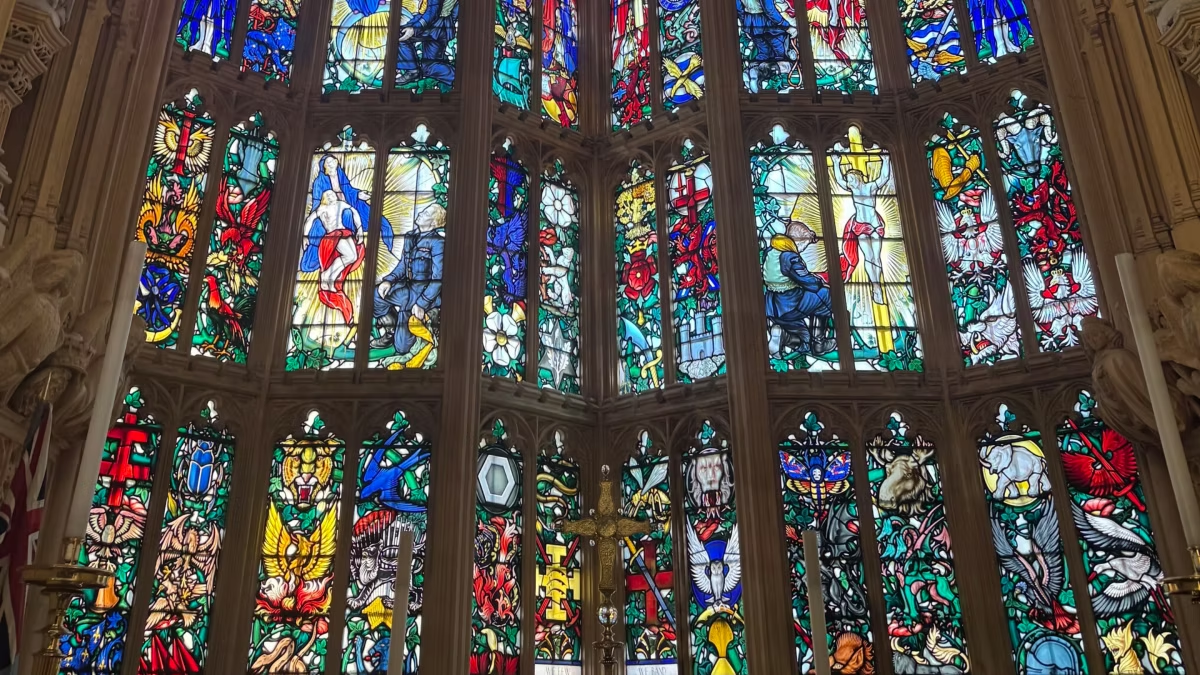
Top Highlights at Westminster Abbey
The headline sights and experiences most visitors want to see first.
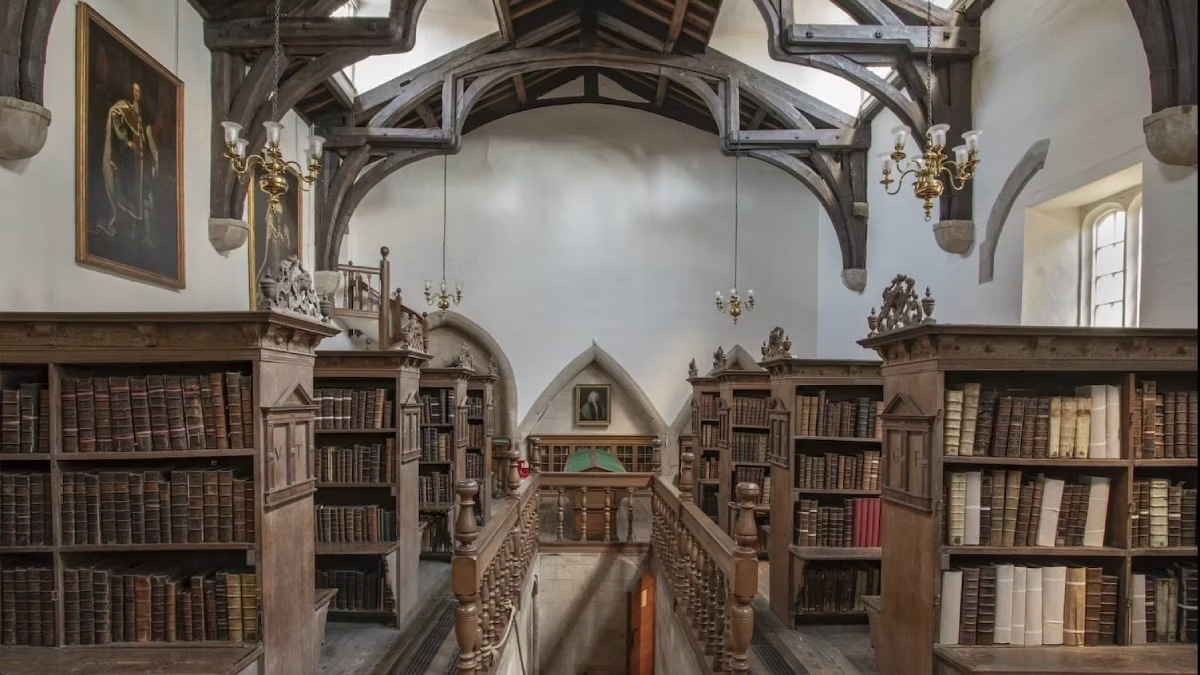
Westminster Abbey Interior Highlights
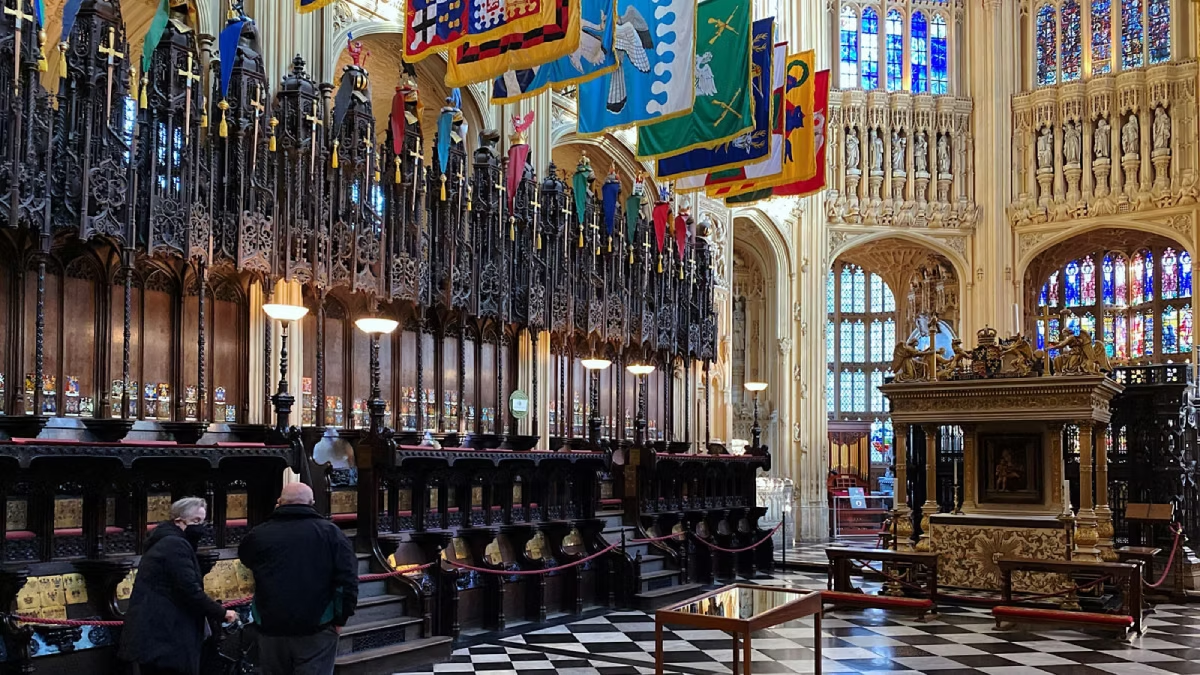
Step inside the Nave to find the grave of the Unknown Warrior, then follow the one-way route past Poets’ Corner, the 700-year-old Coronation Chair, the Cosmati Pavement and the royal tombs in the Lady Chapel. Allow 1.5 to 2 hours with the included multimedia guide.
Explore →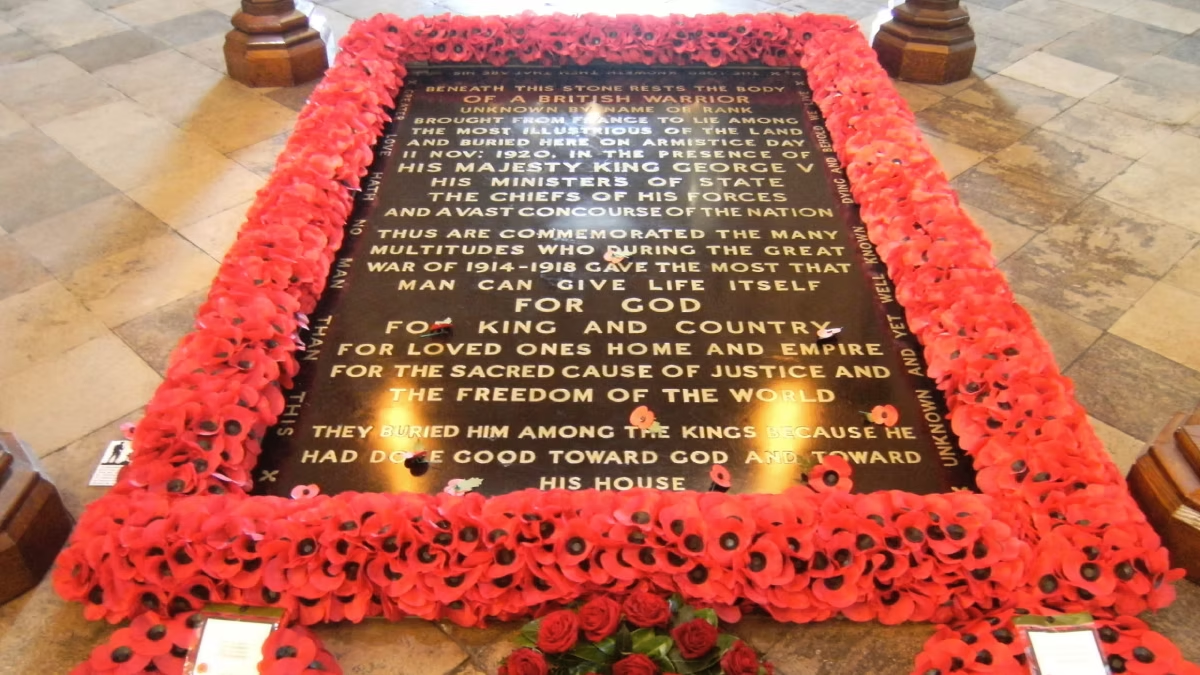
Grave of the Unknown Warrior
The Grave of the Unknown Warrior lies in the nave just inside the Great West Door, marked by a slab of black Belgian marble. It holds an unidentified British soldier of the First World War, buried on 11 November 1920, and is the only floor tomb in the Abbey nobody walks across.
Explore →Westminster Abbey History and Essential Facts
Start here for the Abbey’s thousand-year story and what makes it famous.
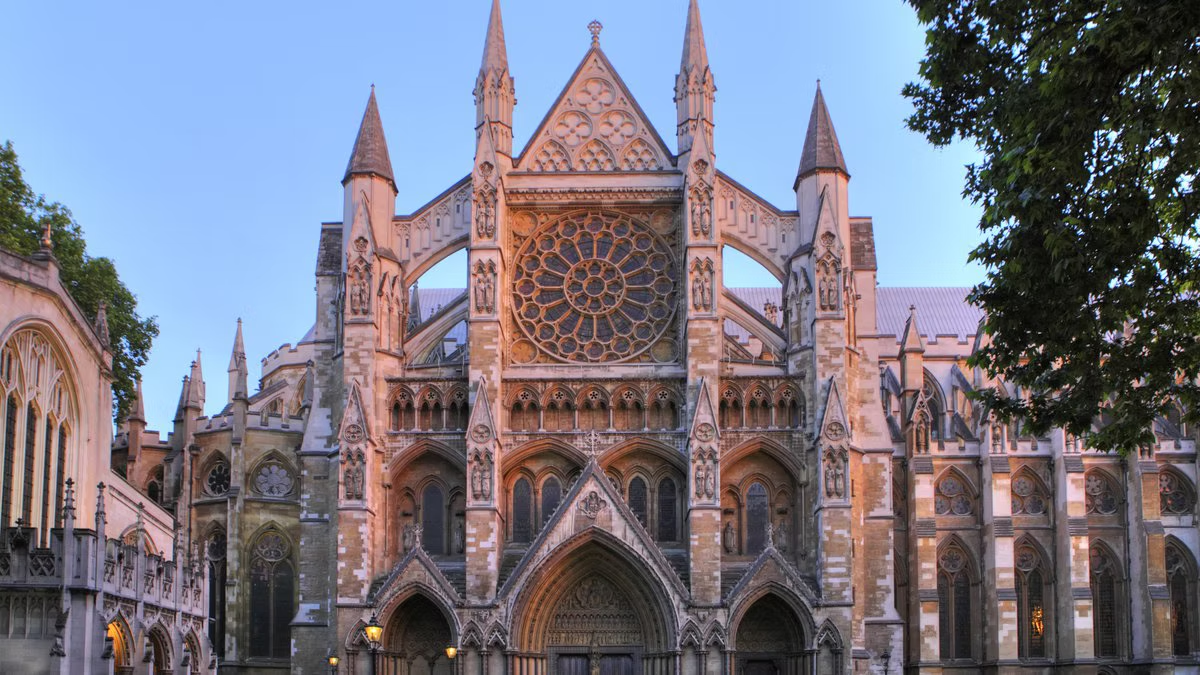
Westminster Abbey History
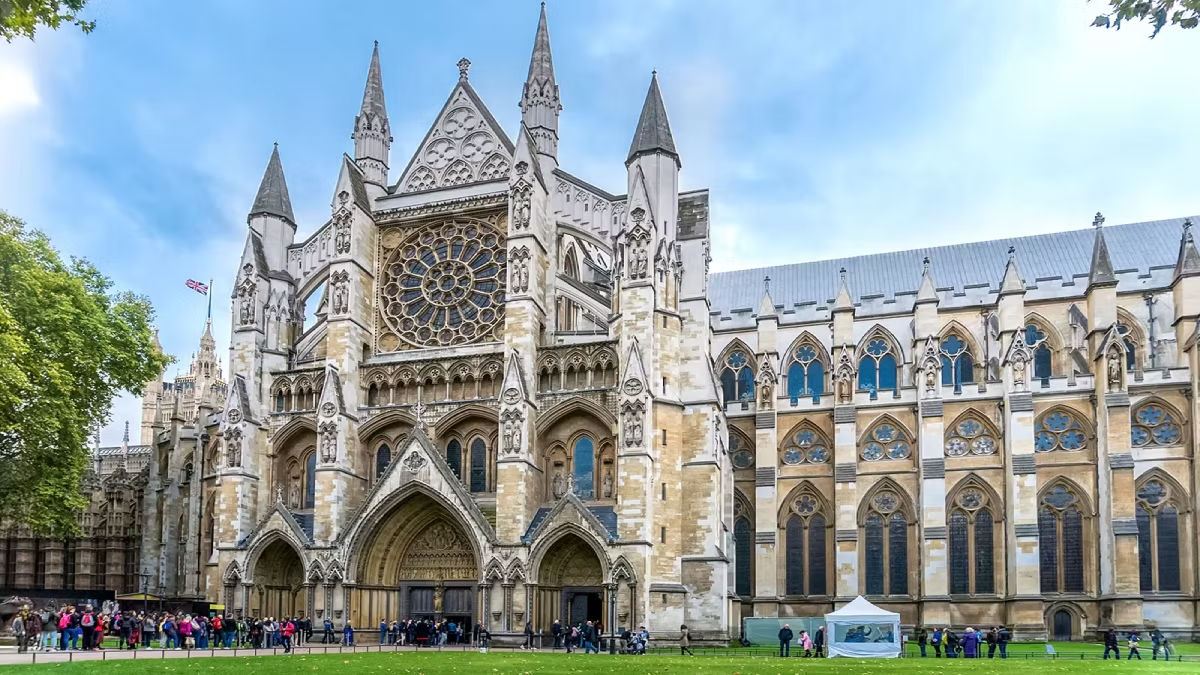
From its origins as a Benedictine monastery in the 960s through Edward the Confessor’s 1065 church to Henry III’s Gothic masterpiece, Westminster Abbey’s evolution spans over 1,000 years. Discover how this sacred space shaped English history and monarchy.
Read guide →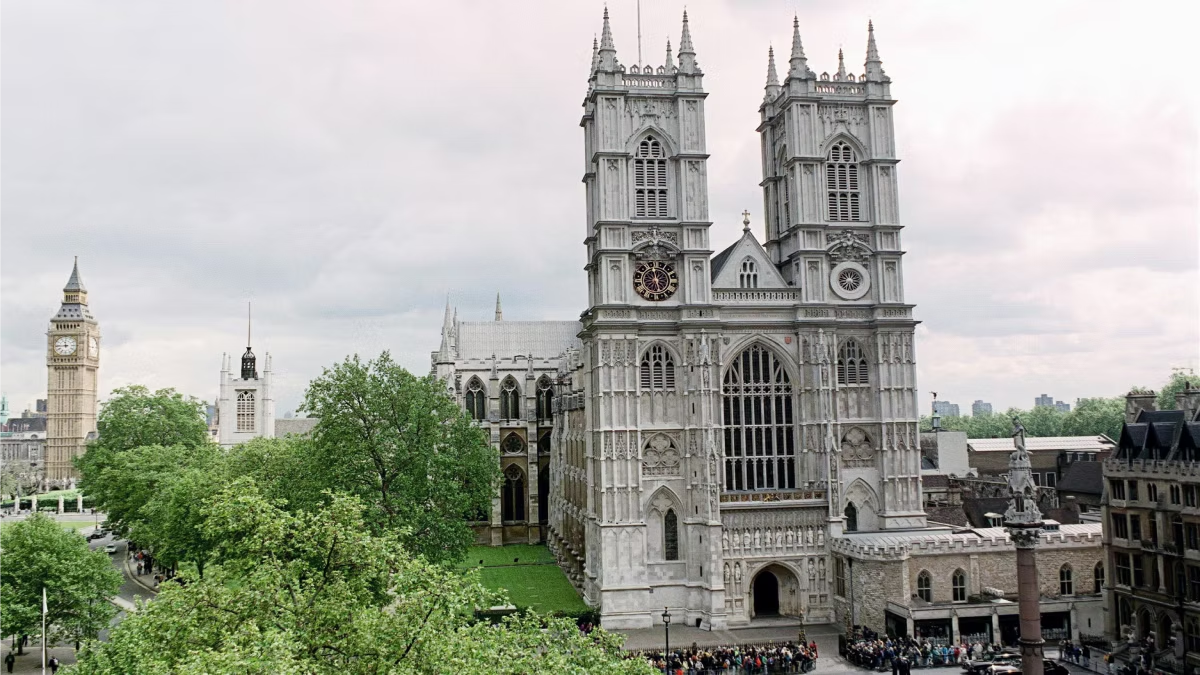
Westminster Abbey Royal Coronations & Burials
Discover Westminster Abbey, the coronation church since 1066 with 40+ royal ceremonies and 3,300 notable burials. From Poets’ Corner to the Unknown Warrior’s grave, each corner holds centuries of history. A UNESCO World Heritage site essential to understanding British royal and cultural heritage.
Read guide →Coronations and Royal Occasions at Westminster Abbey
The Coronation Chair, royal weddings and the nation’s great ceremonial moments.
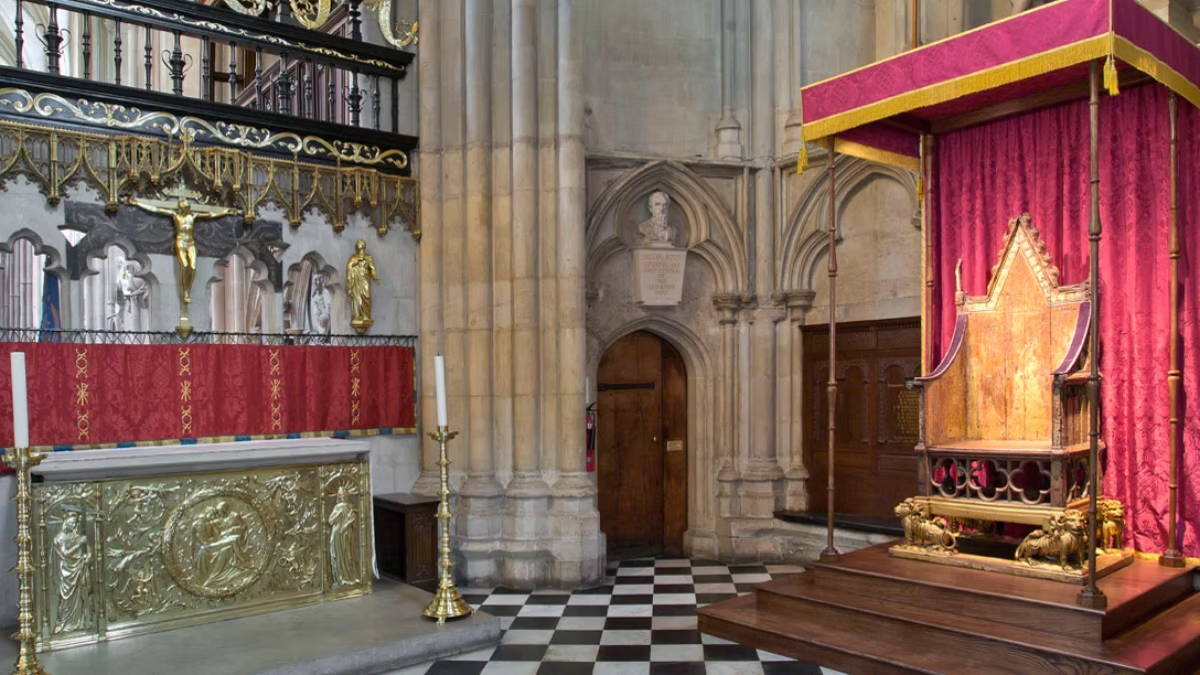
Coronation Chair Westminster Abbey
Crafted around 1300 for Edward I, this chair has crowned every English monarch for 700 years, including King Charles III in 2023. It’s Westminster Abbey’s most historically significant throne and a must-see for anyone interested in royal history.
Read guide →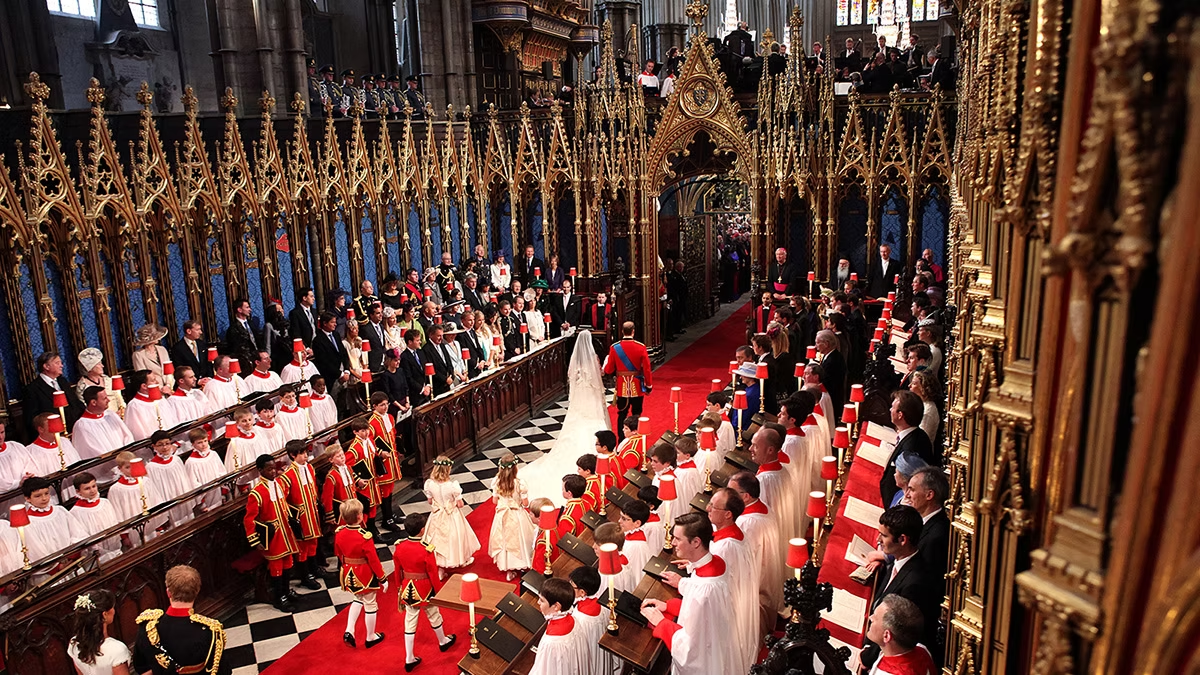
Royal Weddings Westminster Abbey
Explore the royal weddings that shaped British history at Westminster Abbey, from Prince William’s 2011 ceremony to events dating back to 1947. The Abbey also hosts coronations and state funerals, making it the center of the monarchy’s most significant moments.
Read guide →Who Is Buried at Westminster Abbey
Royal tombs, Poets’ Corner and the scientists memorialised beneath the floor.
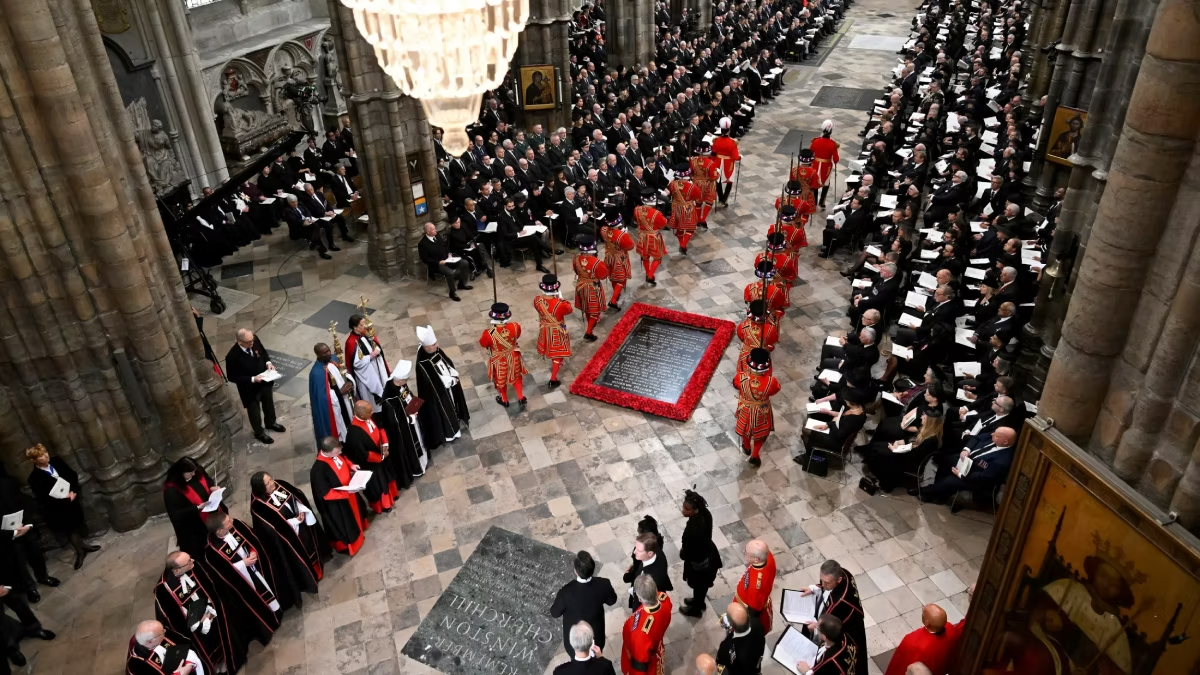
Kings, Poets & Westminster Burials
Westminster Abbey holds over 3,300 burials and memorials, including approximately 18 monarchs plus renowned poets, scientists, and statesmen. This comprehensive guide reveals who lies where and why each resting place matters in British history.
Read guide →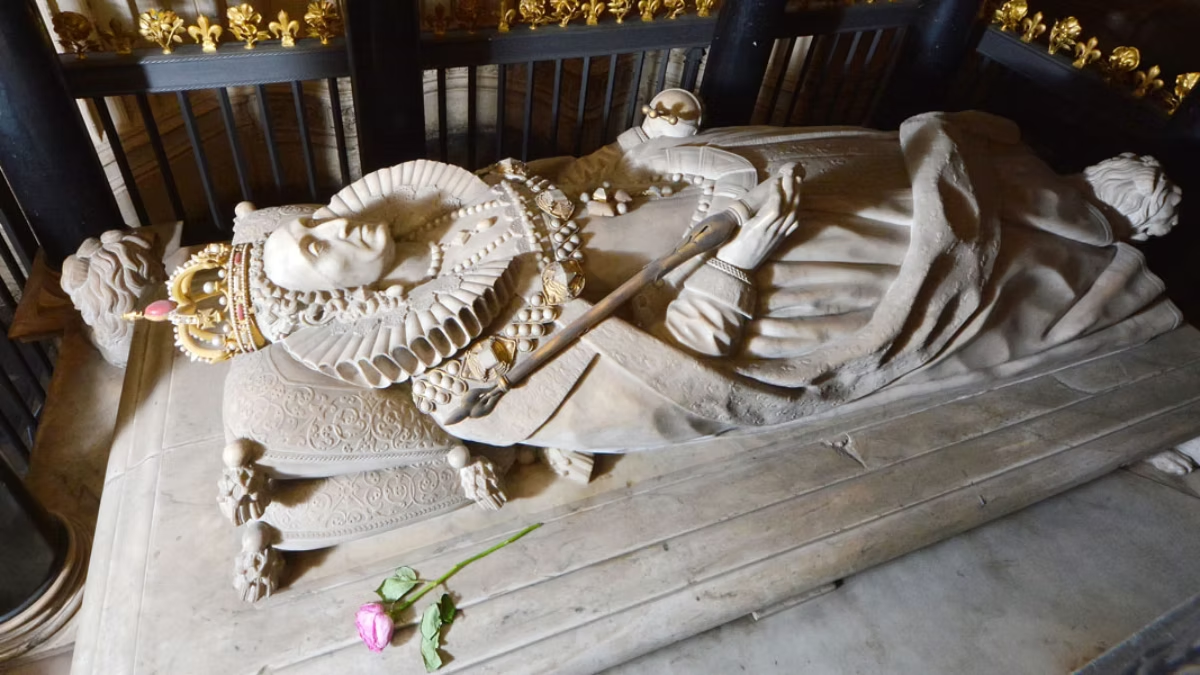
Royal Tombs Westminster Abbey
Westminster Abbey holds around 18 royal tombs, from Edward the Confessor’s shrine to George II’s monument in 1760. These graves showcase the Abbey’s role as England’s royal burial place and offer insight into the lives of England’s monarchs.
Read guide →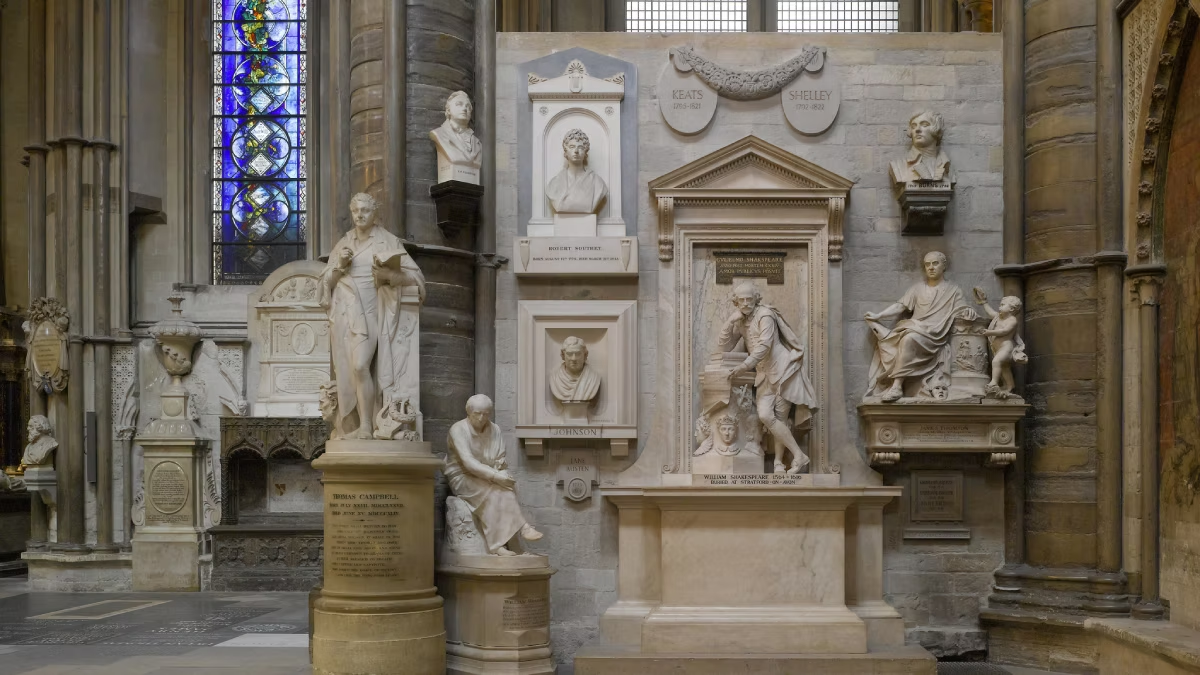
Poets’ Corner Westminster Abbey
This corner of the south transept holds graves and monuments to literary giants from Chaucer to Dickens. Learn who’s actually buried versus who’s memorialized, and discover why this corner became the resting place of England’s greatest writers.
Read guide →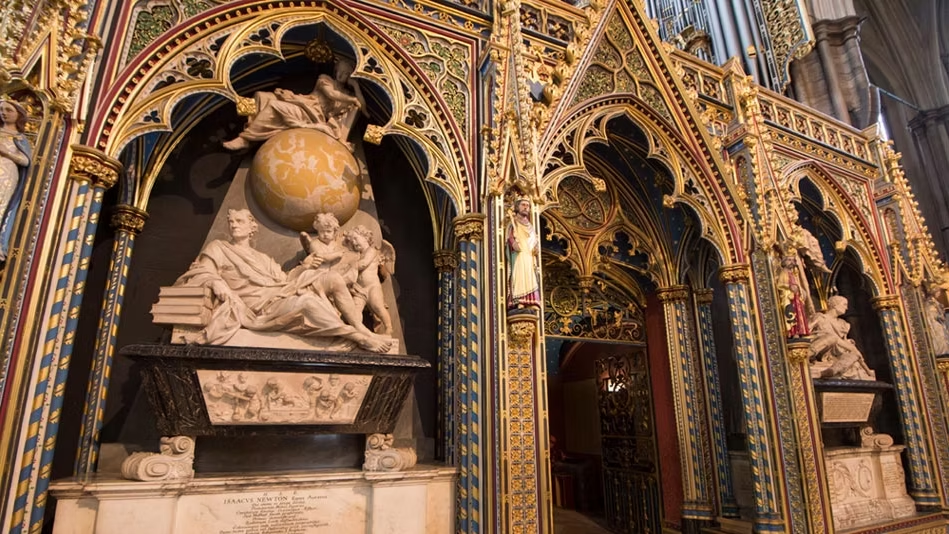
Scientists’ Corner Westminster Abbey
Visit the resting place of history’s greatest minds at Westminster Abbey’s Scientists’ Corner. Isaac Newton, Charles Darwin, and Stephen Hawking’s ashes are memorialized here, offering a unique glimpse into intellectual history.
Read guide →Gothic Architecture and Chapels of Westminster Abbey
The soaring Nave, the Lady Chapel and the medieval Cosmati Pavement.
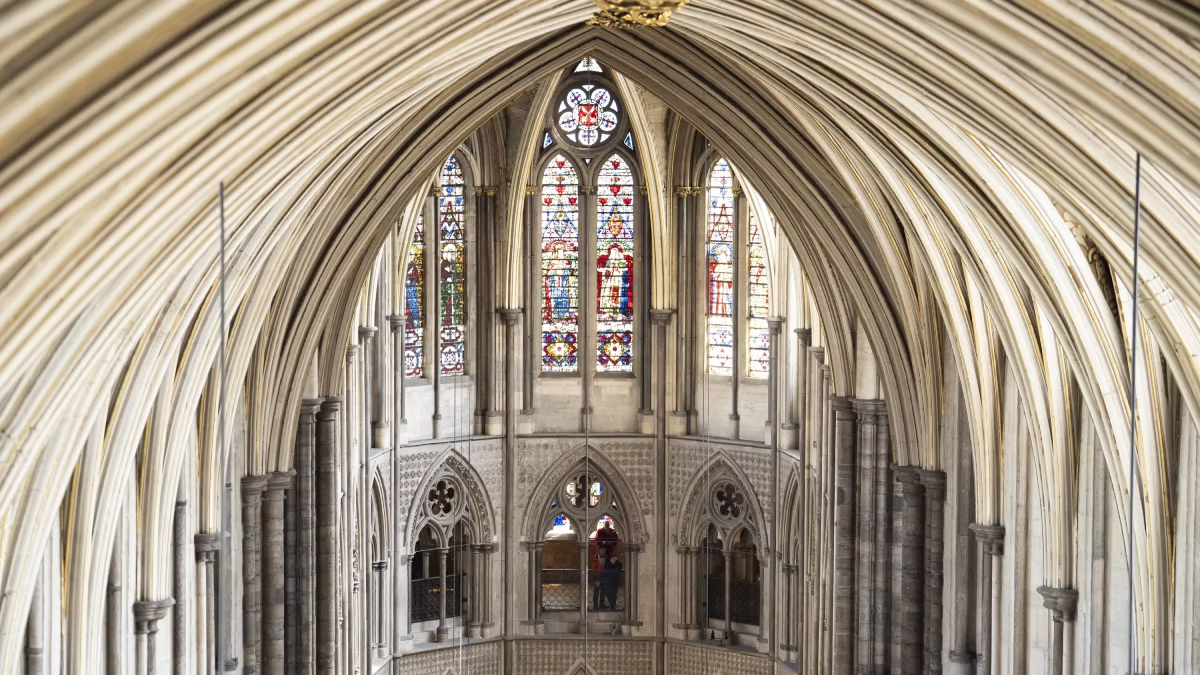
Westminster Abbey Nave Architecture
The Abbey’s nave soars to about 102 feet, making it one of England’s highest medieval vaults. The Gothic structure evolved over centuries from Henry III’s 1245 vision to the completion of Hawksmoor’s iconic west towers, showcasing architectural evolution.
Read guide →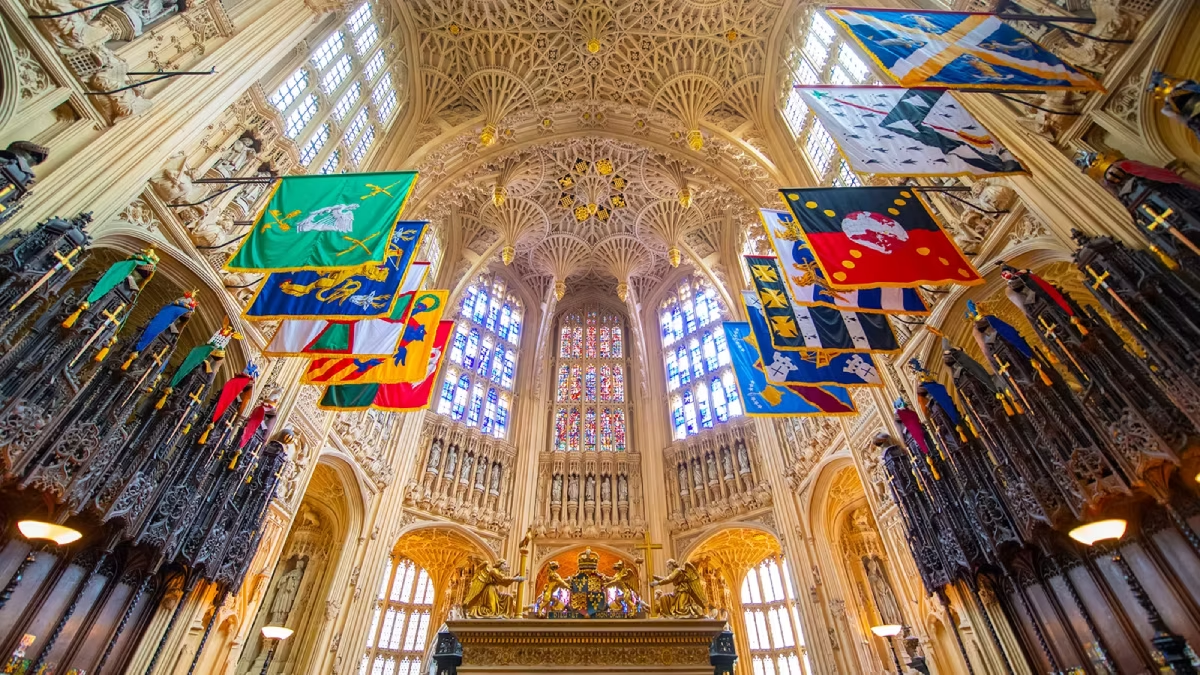
Lady Chapel Westminster Abbey
This ornate chapel built by Henry VII features one of England’s finest fan-vaulted ceilings and holds the royal tombs of Tudor monarchs. Its intricate architecture and historical significance make it a standout feature within the Abbey.
Read guide →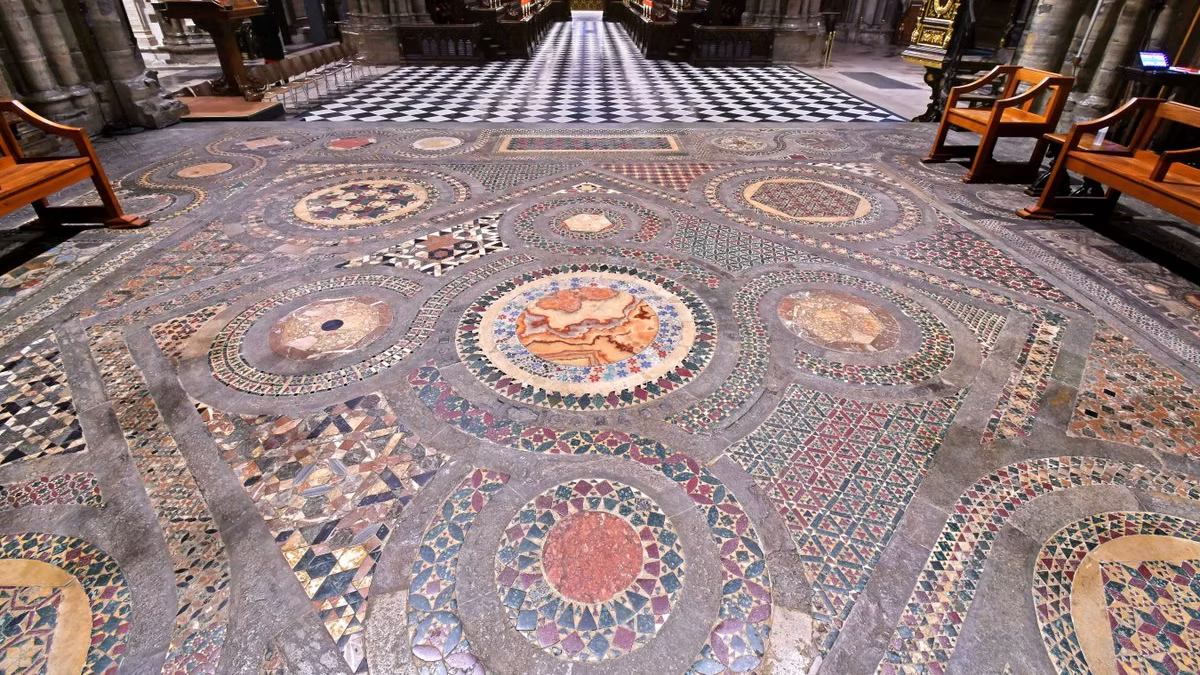
Cosmati Pavement Westminster Abbey
This 1268 mosaic floor lies before the High Altar and has been used at every coronation for over 750 years. Its intricate medieval craftsmanship and symbolic inscriptions make it one of the Abbey’s most artistically important works.
Read guide →Exploring Westminster Abbey’s Cloisters and Galleries
Quieter corners including the Chapter House and the Diamond Jubilee Galleries.
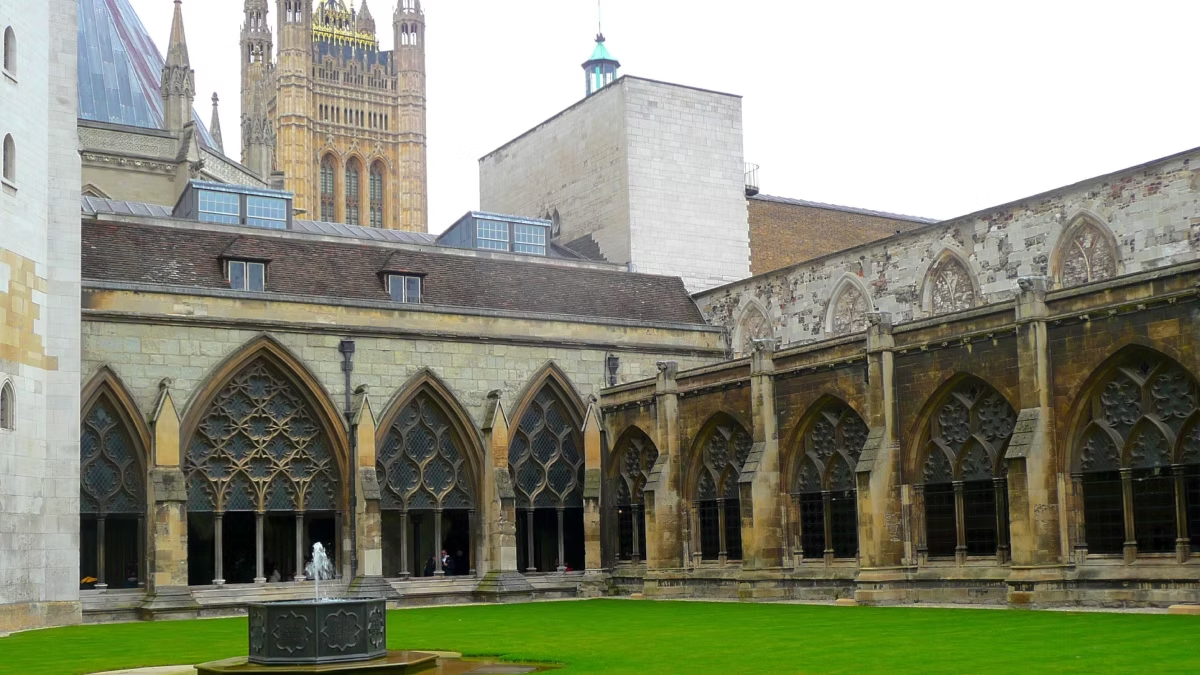
Westminster Abbey Cloisters & Chapter House
Westminster Abbey’s medieval cloisters and 13th-century Chapter House are quiet, atmospheric parts of the Abbey. Both are included in admission and feature stunning Gothic architecture. Visit off-peak to appreciate these intimate spaces without crowds.
Read guide →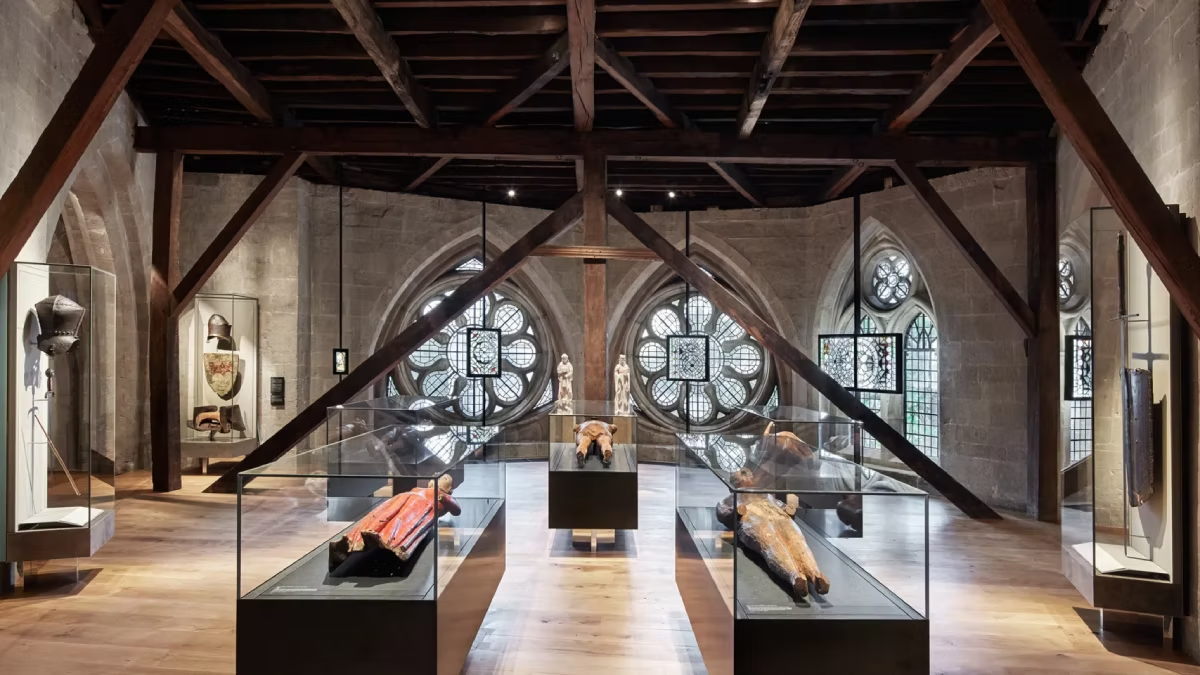
Jubilee Galleries Westminster Abbey
Perched 52 feet above the Abbey floor, these 2012 galleries showcase Abbey treasures and offer unique elevated views of the interior. Access requires a timed ticket and an additional £5 fee, but offers a perspective most visitors never see.
Read guide →How to Choose What to See at Westminster Abbey
A quick guide based on your interests and visit style.
If You Only Have an Hour
The Abbey’s one-way route means you can hit the icons without doubling back — just walk it deliberately.
- Enter through the North Transept and go straight for the royal tombs behind the High Altar, where Elizabeth I and Mary I share a vault
- Pause at the Coronation Chair — 700 years old and still in active service
- Pay respects at the Grave of the Unknown Warrior, the one floor slab in the Abbey no one is allowed to walk on
- Exit past Poets’ Corner for a two-minute sweep of Chaucer, Dickens and Hardy
For First-Time Visitors
Westminster Abbey is a working church, a coronation stage and a national graveyard at once — knowing which is which makes the visit click.
- Understand the big number first: every English and British coronation since 1066 has happened on this spot
- Learn why over 3,300 people are buried or memorialised here when most cathedrals hold a handful
- See where the royal weddings took place, including William and Catherine in 2011
- Trace the story back to its Benedictine origins in the 960s and Edward the Confessor’s rebuild
If You Love Architecture
The Abbey is French Gothic proportions grafted onto an English plan, and the details reward looking up — and down.
- Stand under the nave, roughly 102 feet high and the tallest medieval vault in England
- Study the fan vaulting in the Lady Chapel, the finest surviving example of the form
- Look down at the Cosmati Pavement, a 1268 Italian mosaic that has carried every coronation since
- Escape the crowds in the cloisters and 13th-century Chapter House, where early English Parliaments met
For Book And Science Lovers
No other church doubles as a national pantheon of writers and scientists, and the two corners face each other across the building.
- Start in Poets’ Corner, where Chaucer’s 1400 burial accidentally started the tradition
- Cross to Scientists’ Corner for Newton, Darwin and Stephen Hawking’s 2018 interment
- Note who is memorialised but not actually buried here — Shakespeare and Jane Austen among them
- Climb to the Jubilee Galleries, 52 feet up, for manuscripts, funeral effigies and the best view down the nave
Continue Exploring Westminster Abbey
Book your tickets and plan the practical details of your visit.
Plan Your Visit
Practical information for your visit including hours and accessibility.
View planning guides →Frequently Asked Questions
Common questions about what to see and prioritise.